4PH1
Electrical Power & Mains Electricity
Electricity · 2 question types
What electrical power is
- Power is the rate at which energy is transferred, i.e. the amount of energy moved each second
- Power is measured in watts (W); 1 watt is the same as 1 joule per second (1 W = 1 J/s)
- For an electrical device, the power depends on two things:
- the voltage (potential difference) across the device
- the current flowing through the device
The power equation
P = I × V
- where:
- P = power transferred by the device (W)
- I = current through the device (A)
- V = voltage across the device (V)
- Rearrangements:
- I = P / V (a high-power device at fixed voltage draws a large current)
- V = P / I
Fuses
- A fuse is a safety component placed in the of an appliance; it cuts the supply if the current grows dangerously large
- A fuse looks like a small glass or ceramic cartridge with a fine metal wire running through it; if the current passes the rated value, the wire heats up and melts ("blows"), breaking the circuit
- Once a fuse has blown it must be replaced, because it cannot reset itself
- Without a fuse, an internal short circuit could deliver enough current to overheat the cable, set fire to nearby material, or electrify the appliance's metal casing
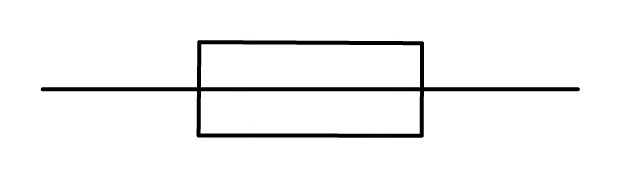
Choosing the right fuse rating
- Common UK fuse ratings are 3 A, 5 A and 13 A
- The right fuse for an appliance is the smallest one that is still above the appliance's normal operating current:
- Use I = P / V to find the appliance's working current from its rated power
- Pick the next standard fuse rating up from that figure
- If the fuse is rated too low, it will blow during normal operation and the appliance will keep cutting out
- If the fuse is rated too high, a fault current can pass right through it before the wire melts, leaving the appliance vulnerable to overheating
Worked example
Calculating power from current and voltage
A toaster is connected to a 230 V mains supply and draws a current of 4 A. Calculate the power of the toaster.
Solution:
- Write the equation: P = I × V
- Substitute: P = 4 × 230
- P = 920 W
Exam tip
How a fuse protects a circuit (3-mark explanation)
What comes up: explain how a fuse prevents damage when a fault causes the current to rise.
Write (three marks): (1) state that the current rises above the fuse rating; (2) the fuse wire melts; (3) the circuit is broken, so the device is isolated from the supply.
Watch out: do not say the fuse "burns" — the mark scheme explicitly does not accept that word. "Melts", "blows", or "breaks" are all credited.