Electrical Power & Mains Electricity
Electricity
Electrical Power and Fuses
What electrical power is
- Power is the rate at which energy is transferred, i.e. the amount of energy moved each second
- Power is measured in watts (W); 1 watt is the same as 1 joule per second (1 W = 1 J/s)
- For an electrical device, the power depends on two things:
- the voltage (potential difference) across the device
- the current flowing through the device
The power equation
P = I × V
- where:
- P = power transferred by the device (W)
- I = current through the device (A)
- V = voltage across the device (V)
- Rearrangements:
- I = P / V (a high-power device at fixed voltage draws a large current)
- V = P / I
Common exam question
Calculating power or current with P = IV
Question: Give the formula that links power, current and voltage, then calculate an appliance's power from its current and the mains voltage, or its current from its power rating (2–3 marks, plus 1 for the formula).
Set in 7 of the 24 papers. The formula mark takes power = current × voltage in words or standard symbols, or any rearrangement. Then one mark is for the substitution and one for the evaluation; "give the unit" adds a third mark of its own, so write W (or J/s) even if your number is wrong.
Conversions carry marks: divide a current in mA by 1000 before substituting (a credited step), and for an answer in kW there is one mark for the value in W and a second for the kW. Given power and voltage, rearrange to current = power ÷ voltage; the rearrangement, or the substitution, is the first mark.
Worked example
Calculating power from current and voltage
A toaster is connected to a 230 V mains supply and draws a current of 4 A. Calculate the power of the toaster.
Solution:
- Write the equation: P = I × V
- Substitute: P = 4 × 230
- P = 920 W
Fuses
- A fuse is a safety component placed in the of an appliance; it cuts the supply if the current grows dangerously large
- A fuse looks like a small glass or ceramic cartridge with a fine metal wire running through it; if the current passes the rated value, the wire heats up and melts ("blows"), breaking the circuit
- Once a fuse has blown it must be replaced, because it cannot reset itself
- Without a fuse, an internal short circuit could deliver enough current to overheat the cable, set fire to nearby material, or electrify the appliance's metal casing
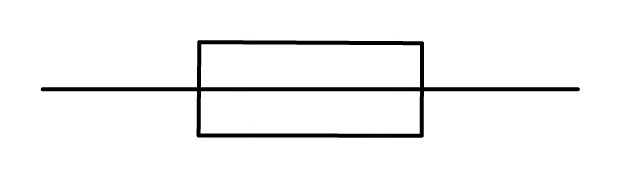
Choosing the right fuse rating
- Common UK fuse ratings are 3 A, 5 A and 13 A
- The right fuse for an appliance is the smallest one that is still above the appliance's normal operating current:
- Use I = P / V to find the appliance's working current from its rated power
- Pick the next standard fuse rating up from that figure
- If the fuse is rated too low, it will blow during normal operation and the appliance will keep cutting out
- If the fuse is rated too high, a fault current can pass right through it before the wire melts, leaving the appliance vulnerable to overheating
Common exam question
Explaining how a fuse protects an appliance
Question: Explain how a fuse protects an appliance, or how it works to protect it when there is a fault (3 marks).
Asked in 2 of the 24 papers, three marks each time, one per step. The current becomes too high: it exceeds the fuse rating. The fuse wire melts ("blows" and "breaks" are credited too, but "burns" is ignored and earns nothing). The circuit is broken, so the appliance is isolated from the supply ("stops the current" is accepted).
Say the current exceeds the rating or becomes too high, not simply that it increases: one mark scheme ignores "the current increases", because a rise that stays under the rating does nothing. A linked two-mark part asked why a fuse rated far above the normal current is a poor choice: a fault current still flows without melting it, so the lead or appliance can overheat or catch fire.