PhysicsExam code: 4PH1
Sound
Waves
Pitch is set by frequency
- The of a sound is how high or low it sounds to the ear
- Pitch is determined by the of the vibrating source:
- A vibration at a high frequency produces a high-pitched (treble) sound
- A vibration at a low frequency produces a low-pitched (bass) sound
- On the oscilloscope: a higher pitch shows more wave cycles in the same horizontal width, and a shorter peak-to-peak distance
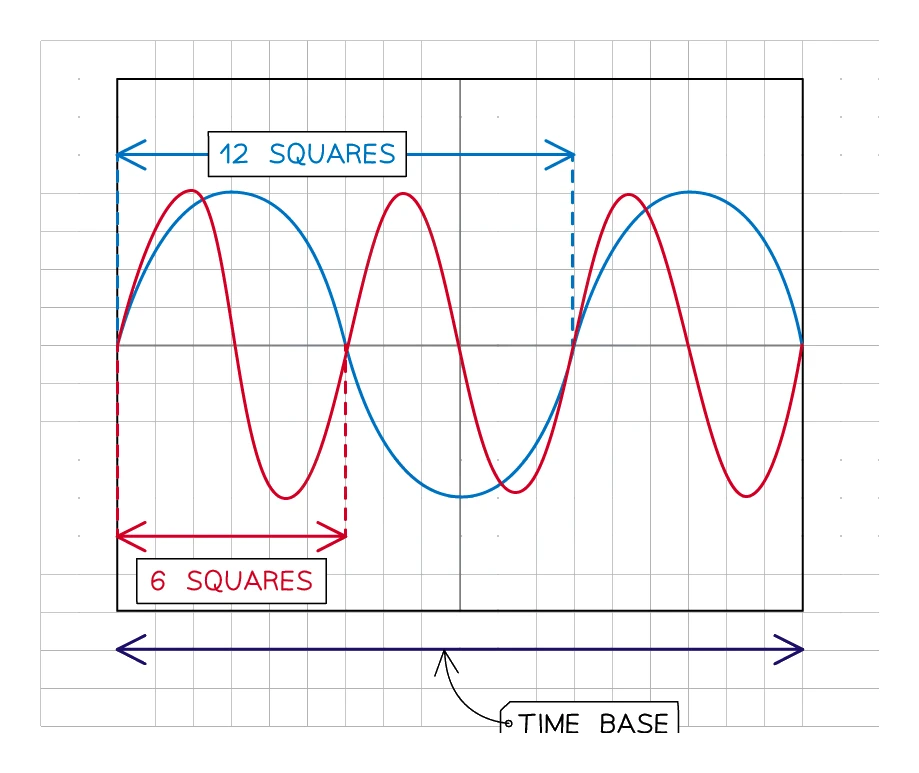
Loudness is set by amplitude
- The of a sound is how strong it sounds to the ear
- Loudness is determined by the of the wave (the size of the back-and-forth movement of the air):
- A larger amplitude produces a louder sound
- A smaller amplitude produces a quieter sound
- On the oscilloscope: a louder sound shows a taller wave from the centre line, while a quieter one has a shorter trace
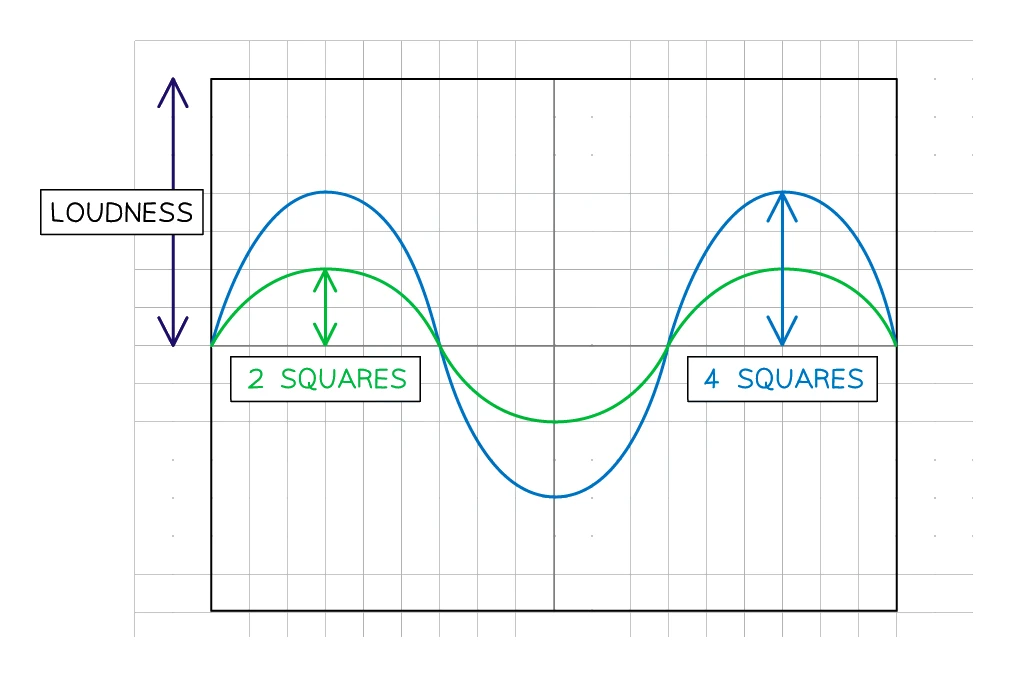
Independence
- Pitch and loudness are independent properties of a sound wave; either can be changed without affecting the other
- A single tuning fork struck softly and then struck hard produces the same pitch each time; the trace keeps the same horizontal spacing but the second strike gives a taller wave
- A flute playing a high note quietly and a tuba playing a low note loudly differ in both pitch and loudness simultaneously, but the two properties are independent in principle
Common exam question
Pitch, loudness and what changes on the trace
Question: State the wave property that determines the pitch of a sound, or draw on the screen the trace of a sound with a lower pitch that is also quieter (1–2 marks).
Set in 2 of the 24 papers. Pitch is set by frequency: write that one word. The scheme ignores a unit but rejects an answer naming more than one quantity, so "frequency and wavelength" scores zero. For the drawing, lower pitch means lower frequency, fewer waves across the screen than the original, and quieter means lower amplitude, shorter peaks than the original; each is a separate mark and must hold for the whole trace. Where the wave sits vertically on the grid is ignored.