MathematicsExam code: 0580
Vectors
Vectors and Transformations
What a Vector Is
Size and direction
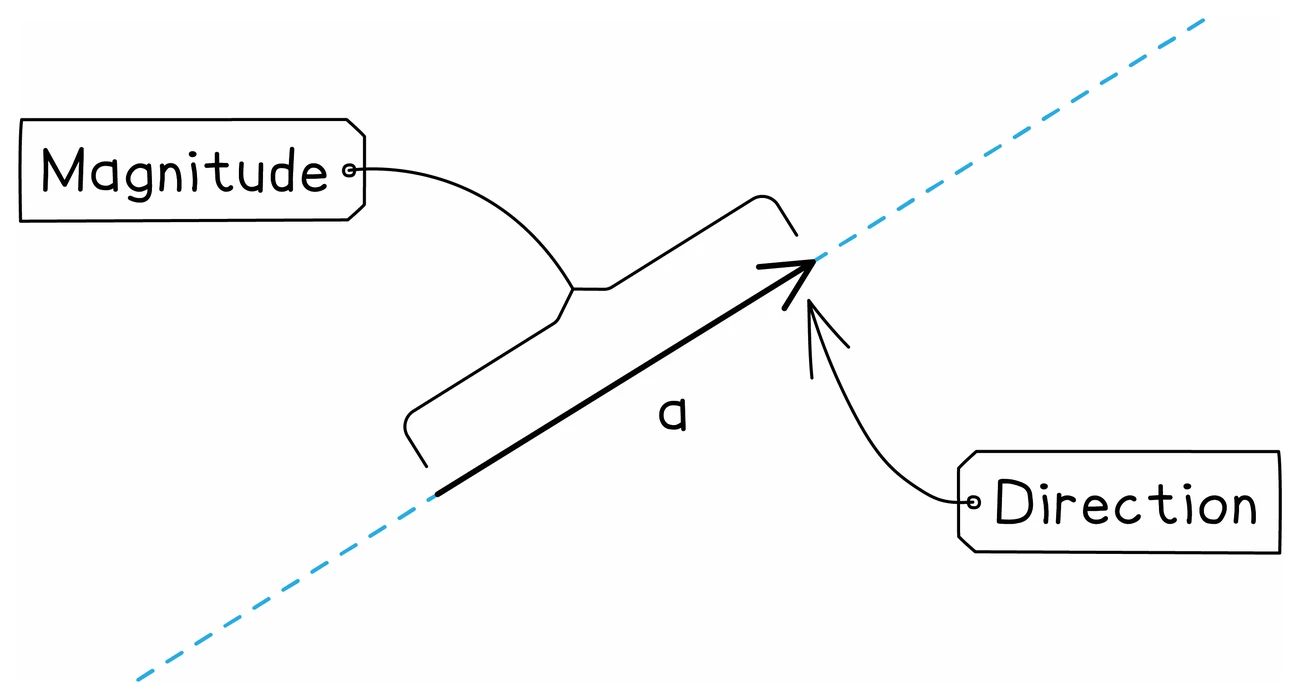
- Two things describe a vector: how big it is and which way it points. A scalar is just a number, with no direction attached
- On a grid a vector is drawn as a line of the right length with an arrow showing which way it points
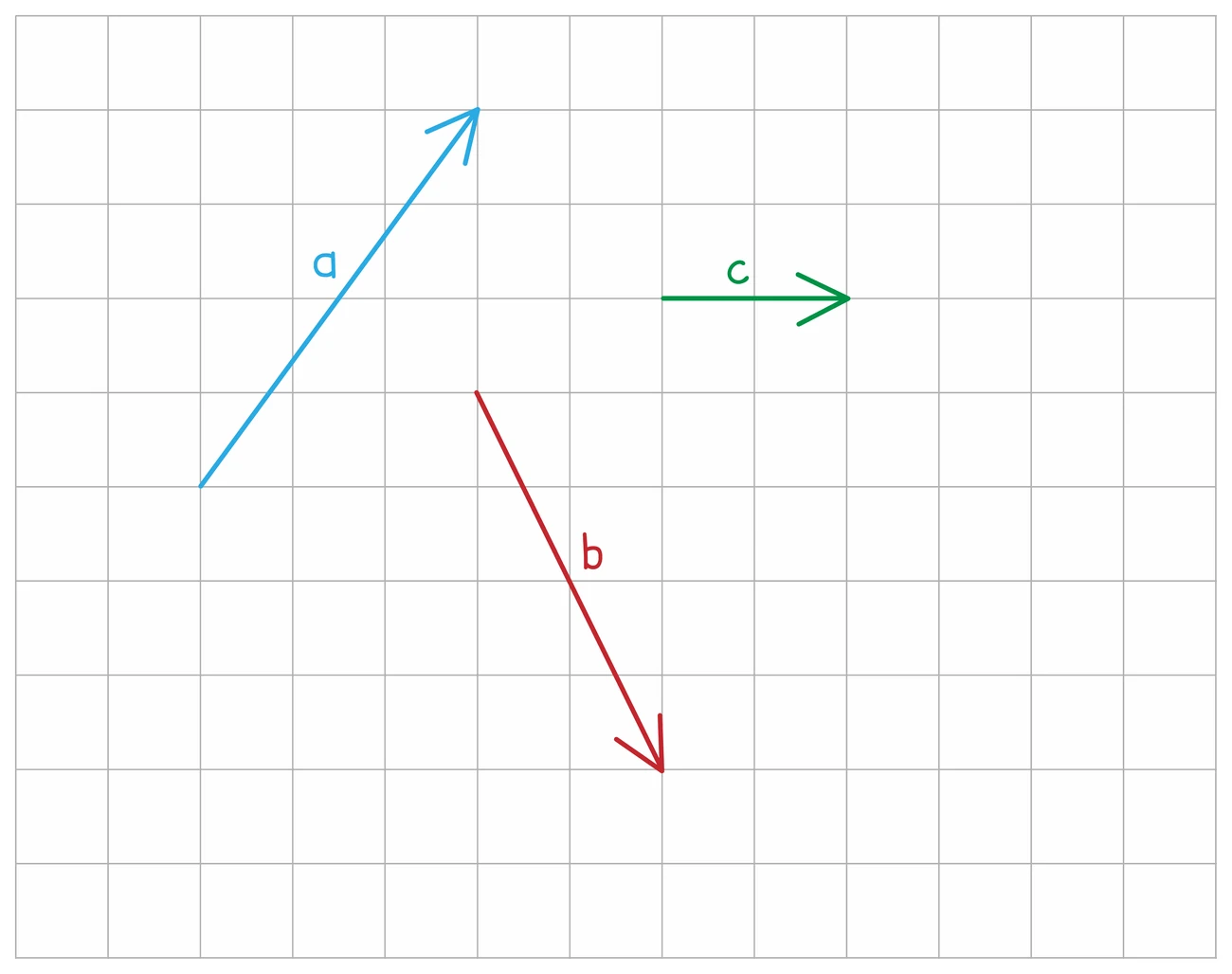
- The same vector can be drawn anywhere on the grid: only its length and direction matter, not where it starts
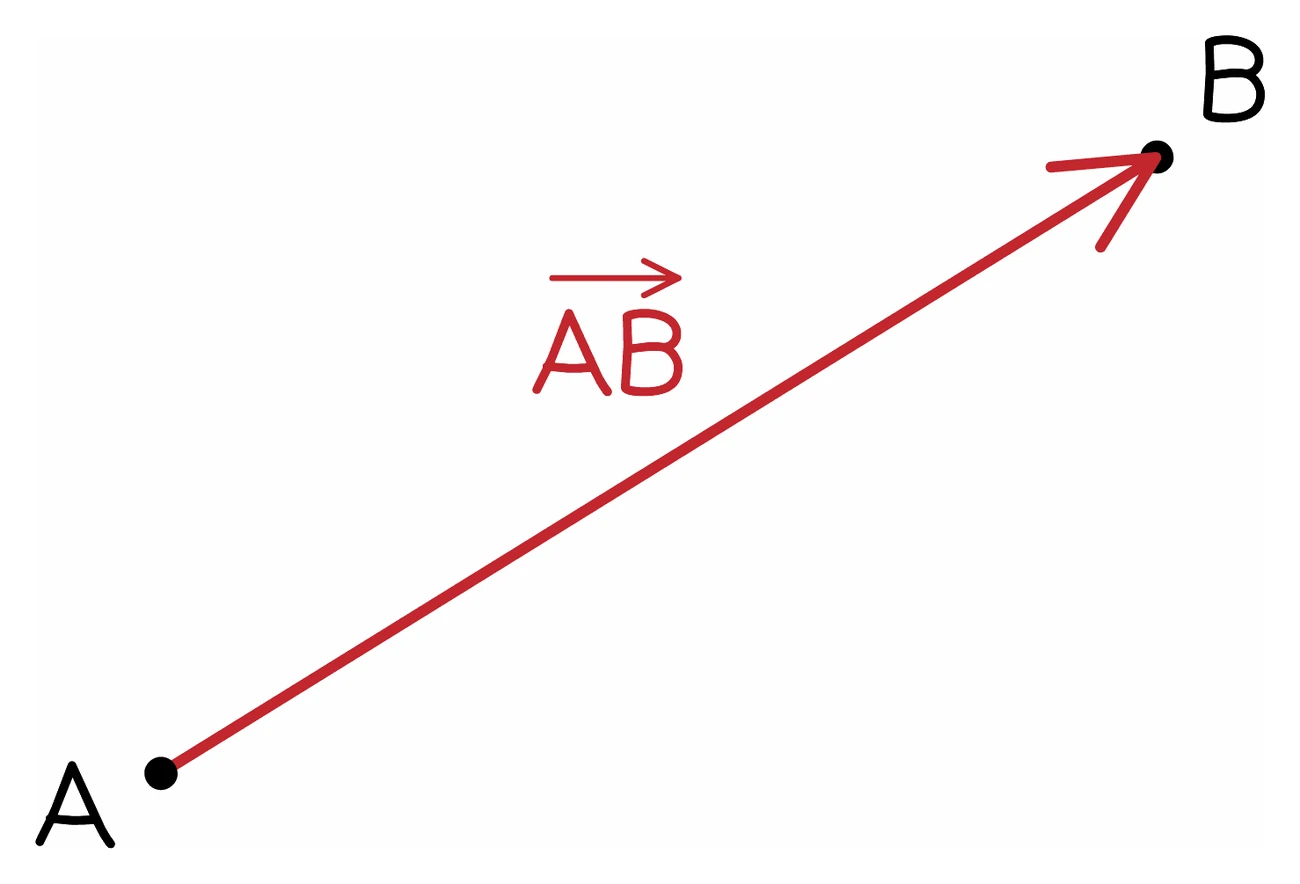
- Starting at A and finishing at B gives the vector written AB with an arrow above it; going back the other way gives BA, the same length reversed, so BA = −AB
- Printed vectors are bold, and handwritten ones are underlined, though mark schemes do not penalise a missing underline
Column vectors
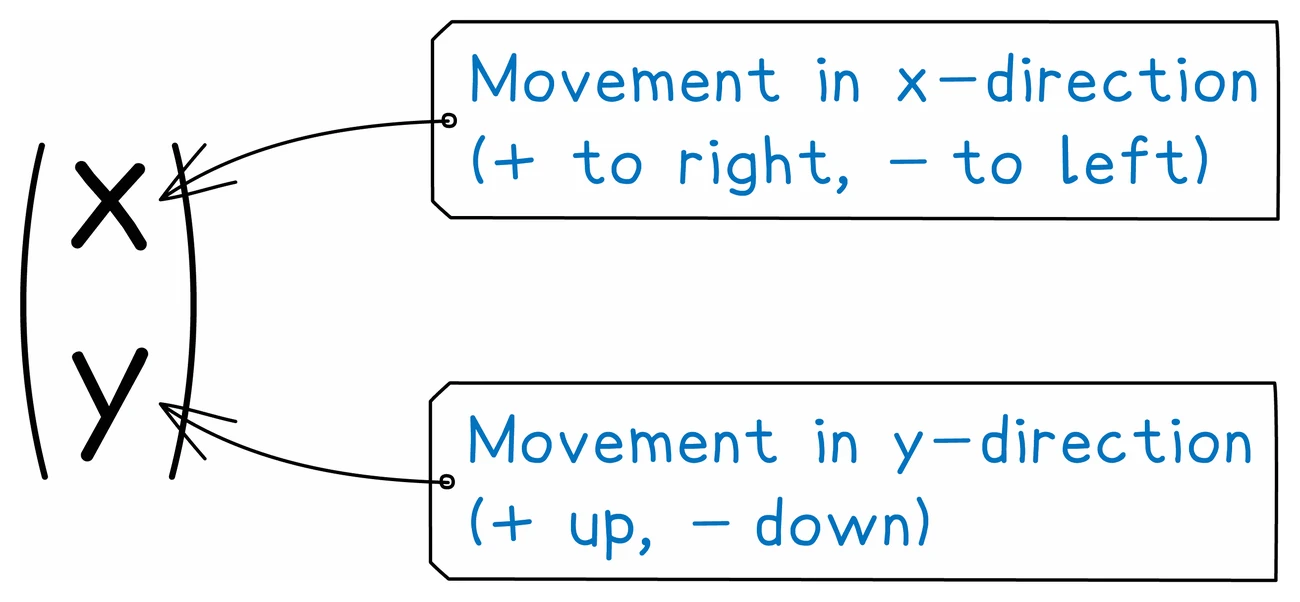
- A column vector stacks the horizontal movement above the vertical one
- The top number is positive for right and negative for left; the bottom number is positive for up and negative for down
- Add or subtract two column vectors by working on the top numbers and the bottom numbers separately
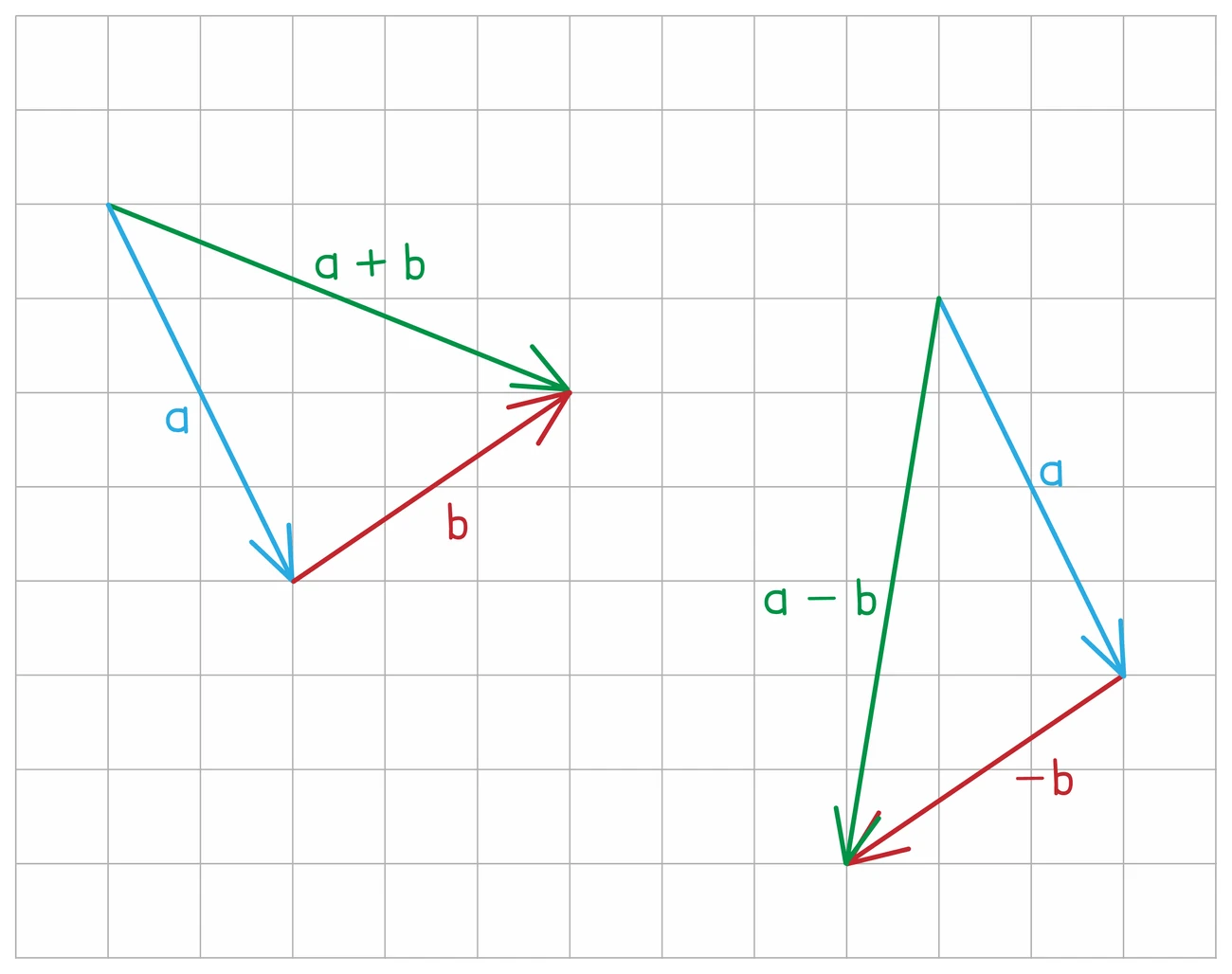
- Multiplying by a scalar multiplies both numbers
- With a = (3, −2) and b = (−1, 5) written as columns, a + b = (2, 3) and a − b = (4, −7)
- 3a = (9, −6), and 2a + 3b = (6, −4) + (−3, 15) = (3, 11)
- Follow the order of operations: multiply each vector by its scalar first, then add or subtract
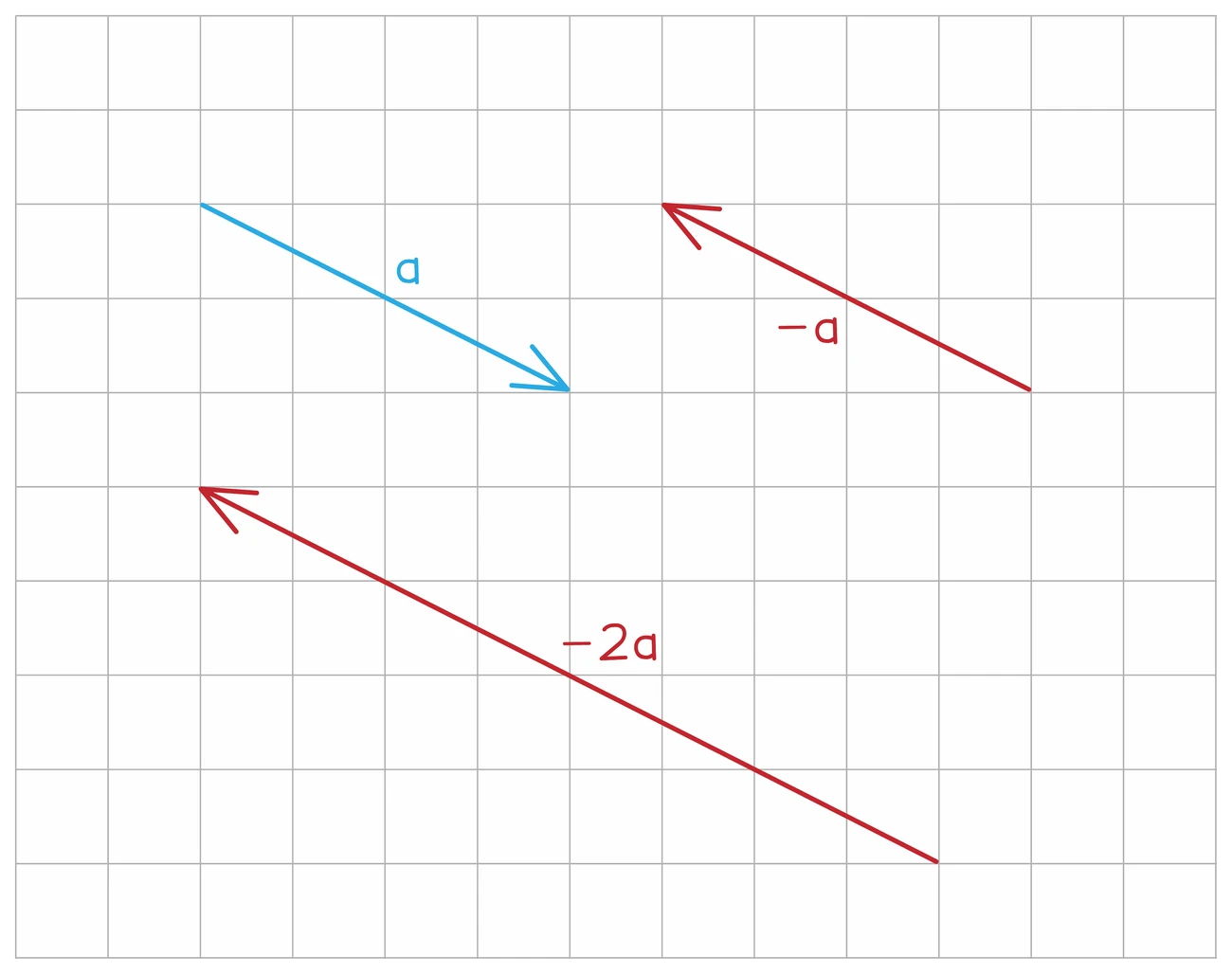
- Multiplying by a positive scalar keeps the direction and changes the length; a negative scalar reverses the direction as well
Worked example
Adding and scaling column vectors
a = (3, −1) and b = (−2, 4), both written as column vectors. Work out a + b and 2a − b.
Solution:
- Add or subtract the top numbers together and the bottom numbers together, separately
- a + b: top 3 + (−2) = 1, bottom −1 + 4 = 3
- a + b = (1, 3)
- For 2a, multiply both parts of a by 2: top 6, bottom −2
- Then subtract b from that: top 6 − (−2) = 8, bottom −2 − 4 = −6
- 2a − b = (8, −6)
- A scalar multiplies every part: doubling only the top number would give 2a = (6, −1), which is wrong