Number Systems
Data Representation · 4 question types
Hexadecimal is much shorter than binary, which makes it easier for humans to read and copy without error. Long binary numbers are difficult to deal with: a 48-bit MAC address would be a meaningless wall of 0s and 1s, but as 12 hex digits it is manageable.
Three common uses of hexadecimal you need to remember for the exam:
MAC addresses
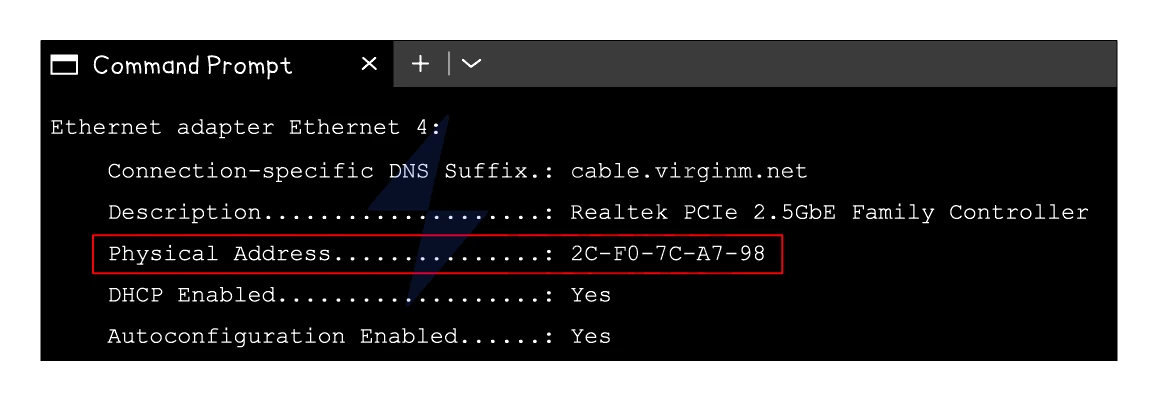
A MAC address is a 48-bit identifier given to every network device. Written in binary it would be 48 digits long; written in hexadecimal it is 12 digits, usually grouped into 6 pairs separated by colons:
3F:1A:8C:00:2D:E5 is far easier to read and copy than its 48-bit binary expansion 00111111 00011010 10001100 00000000 00101101 11100101
Writing the binary version out by hand or trying to type it into a configuration tool would almost certainly introduce errors. The hex version is short enough to handle safely.
Colour codes
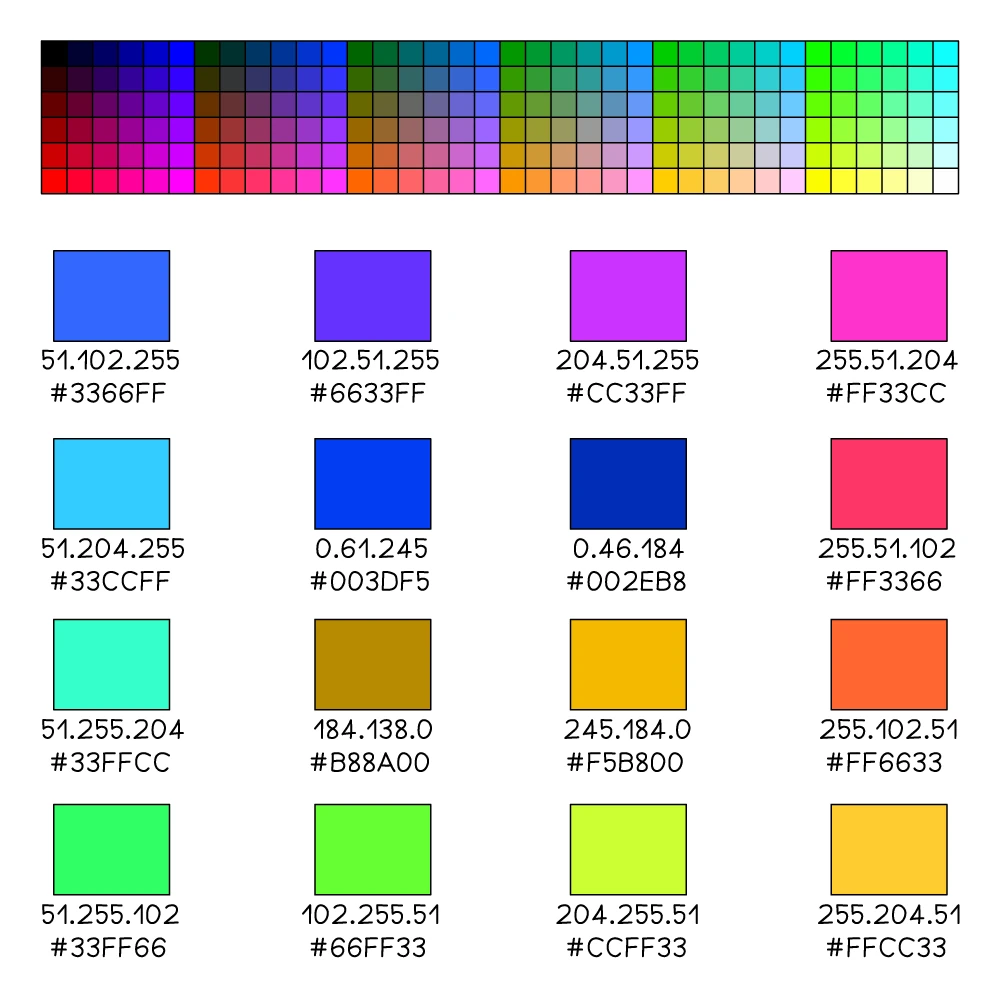
In HTML and CSS, colours are given as 6-digit hex codes preceded by a hash. Each pair of digits represents the intensity (0 to 255) of one of the three primary screen colours: red, green and blue.
#66FF33 means red = 66₁₆ (102), green = FF₁₆ (255), blue = 33₁₆ (51), producing a bright green.
The same number written in binary would be 24 digits long, which is far harder to read and type.
URLs
A URL can only contain a limited set of characters (letters, digits and some punctuation). If a URL needs to contain a character outside that set (a space, an accented letter, a non-Latin symbol), the character is replaced by its hex code preceded by %. For example, a space character becomes %20.
Exam-style phrasing: mark schemes reward precise statements such as "fewer digits in hex than , so easier for humans to read" and "less chance of copying errors". Vague phrases that just say hex looks neater or is more convenient do not score.
Benefits of using hexadecimal instead of binary
What comes up: "Give one/two reasons why a programmer uses hexadecimal to represent binary numbers" or "Give one benefit of using hexadecimal instead of binary" (1–2 marks).
Write (pick any credited point per mark): Hexadecimal uses far fewer digits than binary for the same value, making it quicker to read and write without errors. It is also easier to spot and correct mistakes compared to a long string of 0s and 1s.
Watch out: Vague answers such as "hex looks neater" or "hex is more convenient" do not score. The credited phrasing ties the shorter representation directly to reducing the chance of human error. "Easier to debug" is also accepted.